


In the intricate world of aviation, the term “flameout” sparks curiosity and concern alike. A flameout occurs when an aircraft engine, for various reasons, loses its combustion, leading to a sudden shutdown. Safety in aviation comes first, and what happens when an aircraft engine experiences a flameout?
What Happens When an Aircraft Engine Experiences a Flameout?
While rare, the consequences are significant and demand a nuanced understanding. In this blog post, we delve into the mechanics and implications of an aircraft engine flameout.
Understanding Flameout: The Mechanics
Aircraft engines, whether jet or propeller-driven, operate on the fundamental principle of combustion. They draw in air, mix it with fuel, ignite the mixture, and expel the resulting gases to generate thrust. A flameout disrupts this delicate process.
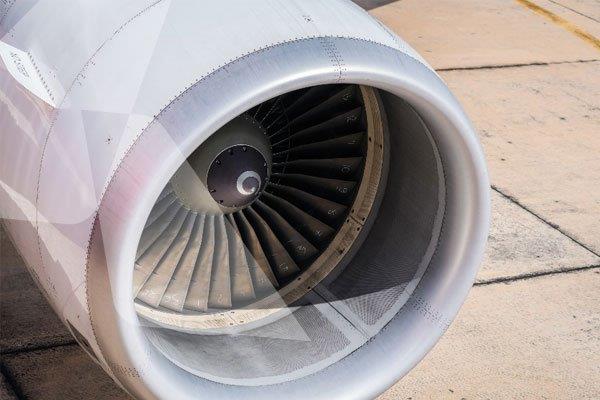
Several factors can contribute to a flameout:
- Fuel Starvation: Inadequate fuel supply due to system failures, contamination, or mismanagement can lead to a flameout.
- Compressor Stall: Disruptions in the airflow to the engine’s compressor, often caused by sudden changes in speed or angle of attack, can result in flameout.
- Mechanical Failures: Any mechanical failure, from a malfunctioning valve to a damaged turbine, can compromise the engine’s ability to sustain combustion.
- Excessive Crosswind: Extreme crosswind conditions during takeoff or landing may disturb the combustion process.
Immediate Effects of Flameout
When an aircraft engine experiences a flameout, the repercussions are swift and impactful. The immediate effects cascade through the aircraft, manifesting in the abrupt loss of thrust, a power outage to vital systems, a potential drop in altitude, and the urgent initiation of restart procedures. In this section, we unveil the critical moments that follow an engine flameout, shedding light on the challenges pilots face and the decisive actions they take to navigate through this aviation challenge.
- Loss of Thrust: The most immediate consequence is the loss of thrust. The aircraft essentially loses its forward propulsion, leading to a rapid decrease in speed.
- Power Loss: All systems powered by the affected engine, including avionics and hydraulic systems, lose power. This can impact the aircraft’s control surfaces and communication capabilities.
- Altitude Drop: The sudden loss of thrust often results in a descent, potentially compromising the aircraft’s altitude. Pilots must swiftly execute emergency procedures to maintain control.
- Restart Attempts: Modern aircraft engines are designed with restart capabilities. Pilots will attempt to restart the failed engine using onboard systems.
Pilot Response and Emergency Procedures
When faced with the critical event of an engine flameout, quick and calibrated responses become paramount. This section delves into the high-stakes domain of pilot reactions and the emergency procedures they adeptly execute to ensure control, communicate urgency, and navigate the aircraft safely through the unexpected.
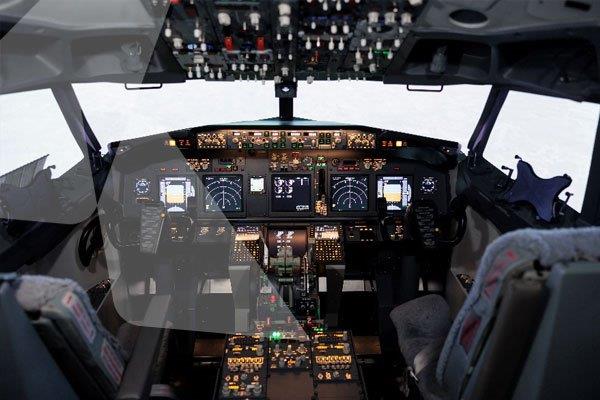
- Quick Reaction: Pilots are trained to respond swiftly to a flameout. Immediate actions include attempting an engine restart and initiating emergency checklists.
- Flight Control Adjustments: Pilots make necessary adjustments to control surfaces to maintain stable flight. Altitude loss is carefully managed during this critical phase.
- Mayday Call: In case of a flameout, pilots communicate the emergency situation to air traffic control, declaring a “mayday” to prioritize their landing.
- Fuel Management: If the flameout is related to fuel issues, pilots may switch to an alternate fuel source or adjust fuel flow to restore engine function.
Prevention and Mitigation Strategies
In the convoluted dance of aviation safety, preventing and mitigating risks are at the forefront.

This section unravels the strategic tapestry that the aviation industry weaves to anticipate and address engine flameouts.
- Regular Maintenance: Routine and thorough maintenance checks are crucial to identifying potential issues before they escalate into flameouts.
- Fuel Quality Control: Ensuring the quality and purity of the fuel supply is essential to preventing fuel-related flameouts.
- Pilot Training: Well-trained pilots are equipped to handle emergencies like flameouts with composure and precision.
- Technology Advances: Continuous advancements in engine technology and design contribute to the prevention of flameouts and enhance the reliability of aviation systems.
While a flameout is a serious event, the aviation industry’s commitment to safety, rigorous maintenance protocols, and pilot training significantly mitigate the risks associated with engine flameouts. Continuous technological advancements and an unwavering dedication to safety ensure that flameouts, though rare, are managed effectively, allowing aircraft to continue their journeys with the utmost reliability. Understanding flame-outs’ intricacies empowers the aviation community to maintain its stellar safety record and uphold passengers’ trust worldwide.
Follow our blog for more interesting stories.