
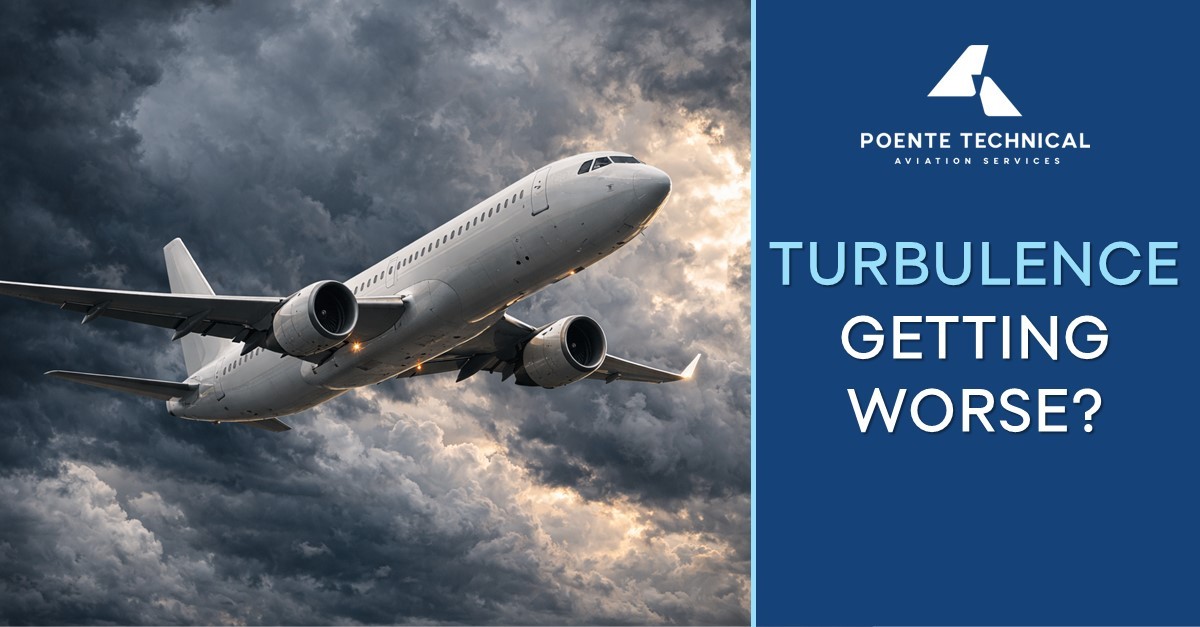
If you feel that flights today seem bumpier than they used to, you are not alone. Frequent travelers say the seat belt sign comes on more often and that smooth cruising can quickly turn into a sudden jolt. This raises a natural question that people type into search engines all the time: Is turbulence getting worse
Is Turbulence Getting Worse?
More research suggests that climate change is influencing the atmosphere in ways that can increase certain kinds of turbulence, especially at cruising altitude. In this article, we will explore what turbulence is, why it happens, how climate change fits into the picture, and what this means for passengers and for aviation safety.
What is turbulence?
Turbulence is simply irregular motion in the air around an aircraft. Instead of flowing smoothly, the air moves in swirling patterns and small chaotic currents.
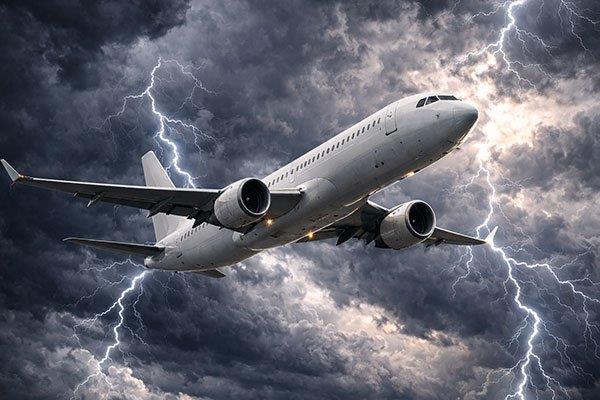
When an aircraft flies through these disturbed pockets, passengers feel bumps, shakes, and sometimes brief drops.
There are several main types of turbulence.
1. Clear air turbulence
This occurs in cloud-free skies, usually near the jet stream at high altitude. It is not associated with visible storms, which makes it harder to detect with traditional radar.
2. Thermal turbulence
On sunny days, the ground heats unevenly. Warm air rises in columns and cooler air sinks. Aircraft flying through these rising and sinking pockets feel little jolts, especially during climb or descent.
3. Mechanical turbulence
This is caused by air flowing over mountains, tall buildings, or rough terrain. The obstacles disturb the air and create swirling eddies that can extend far downwind.
4. Convective turbulence
This is associated with thunderstorms and large convective clouds. Strong updrafts and downdrafts inside and around storms can cause very intense turbulence, which pilots work hard to avoid.
Even when it feels dramatic, turbulence is usually more uncomfortable than dangerous. Modern aircraft are designed and tested to withstand loads far beyond what is experienced in normal operations. The main risk in turbulence is injury to unbelted passengers or crew who are standing or moving around the cabin.
Is turbulence really getting worse?
So, is turbulence getting worse, or are people simply more aware of it
Studies from several universities and climate research centers suggest that clear air turbulence in particular is already increasing along some busy flight routes and is likely to continue increasing as the climate warms. Researchers have compared computer models of the atmosphere from the past with more recent conditions and have found a trend toward stronger wind shear in parts of the jet stream.
Wind shear is a rapid change in wind speed or direction over a short distance. It is one of the main ingredients for clear air turbulence. When wind shear becomes stronger or more frequent, the likelihood and intensity of turbulence can rise as well.
Observations from airlines also support this picture. Some carriers and meteorological services report more turbulence reports and greater interest in turbulence forecasting tools compared with previous decades. While the increase is not uniform across the globe, the scientific consensus is moving toward a cautious answer.
In some regions and seasons, yes, turbulence is likely getting worse, and climate change is an important part of the explanation.
The role of climate change
Climate change is warming the atmosphere, especially at higher altitudes and in certain latitudes. This affects the temperature gradients that drive the jet streams, which are narrow bands of very fast winds high above the surface.
When the temperature contrast between different parts of the atmosphere changes, the structure and strength of these jet streams can also change. Many studies find that a warmer climate can intensify wind shear in the regions where jet streams live. This is where many long-haul aircraft cruise, so small changes in the large-scale flow can have a noticeable effect on how often planes encounter rough air.
This connection between climate change and turbulence is particularly important for clear air turbulence. Because it happens in otherwise calm-looking skies, it is not linked to obvious visual cues like towering storm clouds. Pilots can receive reports from other aircraft ahead, and they have improved forecast tools, but there is still an element of surprise.
In simple terms.
Warmer atmosphere. Leads to changes in jet streams and wind shear.
Which can increase the chance of clear air turbulence along common flight routes.
What does this mean for passengers?
For passengers, the main effect of stronger or more frequent turbulence is a change in comfort, not a change in safety. Modern airliners are built to handle severe loads, and pilots are trained to slow down and adjust altitude when needed to reduce stress on the aircraft.
However, there are some practical consequences.
1. The seat belt sign may turn on more often, even during periods that used to be consistently smooth.
2. Cabin crew may have less time to serve meals or may suspend service more frequently for safety.
3. There may be a slightly higher risk of minor injuries to those who ignore seat belt instructions or who move around the cabin during bumpy periods.
The best advice remains simple. When you are seated, keep your seat belt loosely fastened, even if the sign is off. Listen to crew instructions, and secure hot drinks and loose items when the crew warns of possible turbulence.
From a safety point of view, aviation remains one of the safest forms of transport. Even if flights feel bumpier, the industry is constantly improving how it predicts and manages turbulence.
How airlines and pilots are adapting
Airlines, meteorologists, and pilots are not passive observers of these changes. They are actively adapting to a world where climate change and turbulence are more closely linked.
Some of the main strategies include
1. Better forecasting
Modern turbulence forecasts combine satellite data, weather models, and reports from aircraft already in the air. These products give dispatchers and pilots a clearer picture of where rough air is likely along a planned route.
2. Route optimization
Flight planners can adjust altitudes and paths to avoid the most turbulent regions when possible. This might mean flying slightly higher or lower than before, or choosing a track that skirts around the strongest part of the jet stream.
3. Real-time reporting
Many aircraft now send automatic reports about encountered turbulence, including strength and location. These are shared with other aircraft and forecasting centers almost in real time, which helps following flights make better decisions.
4. Crew training and procedures
Airlines update training programs and cabin procedures so that crews know how to respond quickly and consistently when turbulence is expected or encountered. This reduces the risk of injuries and helps keep passengers calm.
There is a balance to manage. Avoiding turbulence completely is impossible, and large route changes can use more fuel or add travel time. The goal is to reduce exposure to the most uncomfortable or hazardous regions while still operating efficiently.
Future outlook
Looking ahead, most researchers expect that if global temperatures continue to rise, the trend toward stronger clear-air turbulence in some regions will also continue. This could have several effects
1. Slightly longer flight times on some routes, as crews choose alternate paths.
2. More importance is placed on turbulence forecasting and research, including new satellite missions and high-resolution weather models.
3. Extra attention to design and testing of cabin interiors and seat systems to keep passengers safe and comfortable during unexpected bumps.
At the same time, the aviation industry is also working to reduce its own contribution to climate change through more efficient aircraft, sustainable aviation fuels, and future propulsion concepts. The link between climate and turbulence is another reminder that the health of the atmosphere matters for every part of flight operations.
So, is turbulence getting worse?
The most honest answer is that in some regions and at some times of year, clear air turbulence is likely becoming more frequent and more intense, and climate change is a key driver of this trend. That does not mean that every flight will feel rough or that air travel is becoming unsafe. It does mean that pilots, airlines, and scientists are paying very close attention to how the atmosphere is changing.
For passengers, the most practical steps are simple. Keep your seat belt fastened when seated, follow crew instructions, and remember that even when the ride is bumpy, modern aircraft are built to handle much more than the sky usually delivers. Climate change is indeed shaking up the skies, but aviation is adapting, and safety remains at the heart of every journey.
For more interesting stories, visit our blog page.